Hrodna Old Castle

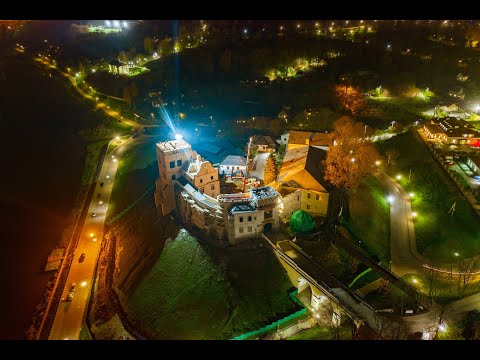
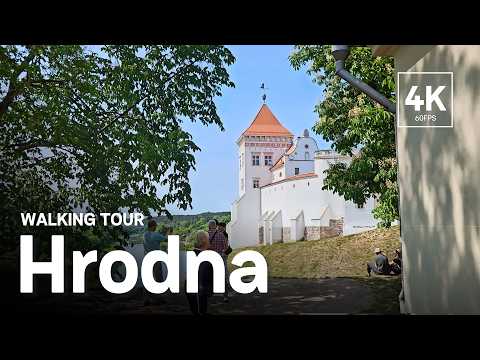
The Old Grodno Castle, also known as Bathory's Castle, stands prominently in Grodno, Belarus, at the strategic confluence of the Neman and Gorodnichanka rivers. Originally established in the 11th century as a wooden fortress for Black Ruthenian rulers, the structure underwent significant transformation in 1391 when Vytautas the Great rebuilt it using stone and added five Brick Gothic towers. Later, King Stephen Báthory commissioned a major renovation in the late 16th century, replacing the medieval keep with a magnificent Renaissance residence designed by Scotto of Parma, reflecting the advanced architectural tastes of Northern Italy.
Historically, this site served as a crucial political center and royal residence for centuries. It was here that Casimir IV Jagiellon died in 1492 after being offered the Polish Crown, and later, Stephen Báthory envisioned it as a primary imperial seat before his death in 1586. Following devastation during the Russo-Polish War, the castle was revived in the 1670s by Krzysztof Zygmunt Pac to host the Sejm of the Polish–Lithuanian Commonwealth. However, subsequent conflicts, including the Great Northern War and the partitions of Poland, led to further damage and its eventual conversion into Russian military barracks.
Today, the Old Grodno Castle functions as a leading historical and archaeological museum, housing an impressive collection of over 200,000 artifacts, making it one of the largest in Belarus. Although it suffered extensive damage throughout its turbulent history, recent reconstruction efforts initiated in 2017 aim to restore the site to its former glory. The castle remains a vital cultural landmark, offering visitors insight into the region's complex past while preserving the legacy of the dynasties and monarchs who once ruled from its halls.