Horst Castle

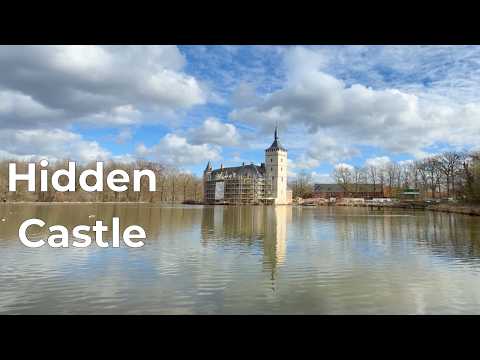
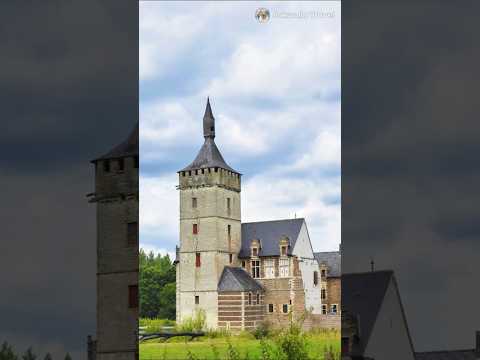
Horst Castle, known locally as Schloss Horst, is situated in the Horst district of Gelsenkirchen, Germany. Originally established as an 11th-century farmstead on an island within the marshy Emscher river arms, the site evolved into a formidable fortress before being completely rebuilt following a devastating fire. The current Renaissance structure was completed in 1578 under the direction of Rütger von der Horst. Upon its completion, it ranked among the largest four-winged castle complexes north of the Alps and became a defining example of the Lippe Renaissance style, renowned for its sophisticated architectural sculptures and artistic significance.
The castle's history is marked by periods of grandeur and severe decline. After suffering extensive damage and partial collapse due to neglect in the 19th century, the remaining façade decorations were carefully salvaged by the von Fürstenberg family. By 1985, a citizen-led initiative successfully prevented total ruin, prompting the city of Gelsenkirchen to purchase the property for comprehensive archaeological investigation and restoration. Today, Horst Castle stands as one of the most thoroughly researched Renaissance monuments in Northwest Germany and is officially recognized as a listed building.
Following its meticulous restoration and partial reconstruction, the castle has been repurposed for modern public use while preserving its historical integrity. It currently functions as a multifaceted cultural hub, housing a museum, a restaurant, a registry office for civil ceremonies, and a venue for various events. This transformation ensures that the legacy of the Horst Lords, who once held jurisdiction over local parishes and maintained independence against powerful neighboring territories, remains accessible to the public within a preserved architectural masterpiece.
Videos
Details
- Notes
- medieval castle
- Location Text
- Sint-Pieters-Rode