Frijsenborg

Frijsenborg is a prominent manor house and estate located near Hammel, approximately 27 kilometers northwest of Aarhus in Jutland, Denmark. The site originally hosted the village of Jernit until 1583, when nobleman Valdemar Parsberg demolished existing structures to construct a Baroque manor surrounded by a moat. In 1672, the property was granted to the high-ranking statesman Mogens Friis as compensation for losses incurred during the Dano-Swedish War. Friis established the extensive County of Frijsenborg, which became one of the largest in Denmark, and renamed the estate in his honor.
The castle's current architectural grandeur stems from a major renovation undertaken between 1849 and 1867 under Count Christian Emil Krag-Juel-Vind-Frijs. He commissioned the renowned architect Ferdinand Meldahl to transform the building into a luxurious residence in the Renaissance Revival style. While the original ground floor walls were preserved, the design was significantly expanded with three new wings, tall steepled towers, and additional stories. Today, the structure is celebrated as one of the finest examples of Renaissance Revival architecture in the country.
Historically, the manor reflects the evolution of Danish nobility, particularly after 1880 when Mogens Friis introduced English aristocratic lifestyle elements and palatial furnishings to the interior. The estate has remained a significant cultural landmark, showcasing centuries of architectural adaptation from its Baroque origins to its 19th-century splendor. Although primarily a private historic home, it stands as a testament to the region's heritage and the influential Friis family lineage that shaped its development over nearly four hundred years.
Videos
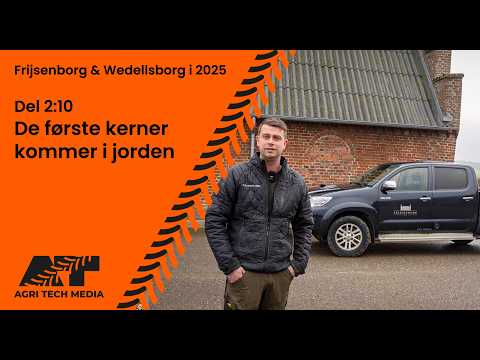
🇩🇰 Frijsenborg & Wedellsborg i 2025 - Del 2: Første kerner i jorden
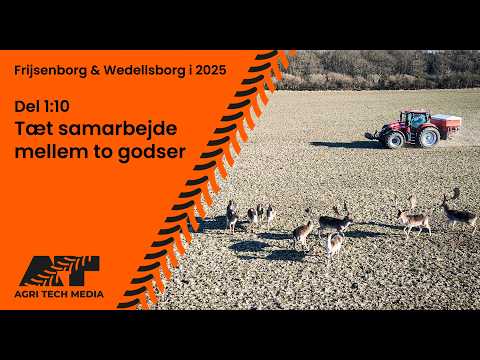
🇩🇰 Frijsenborg & Wedellsborg i 2025 - Del 1: Tæt samarbejde mellem to godser
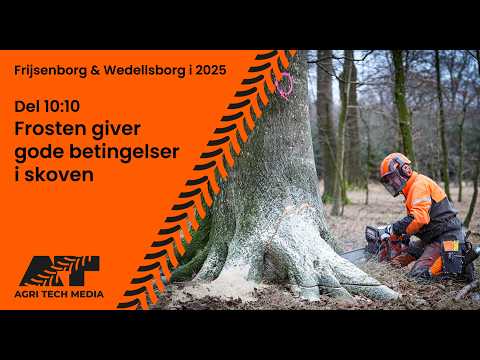
🇩🇰 Frijsenborg & Wedellsborg i 2025 - Del 10: Frosten giver gode betingelser i skoven

🇩🇰 Frijsenborg & Wedellsborg i 2025 - Del 5: Udfordrende begyndelse på kornhøsten