Fredensborg Palace

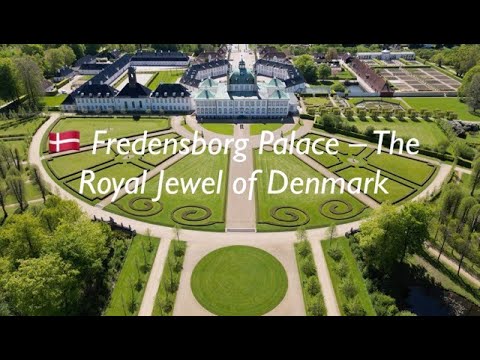
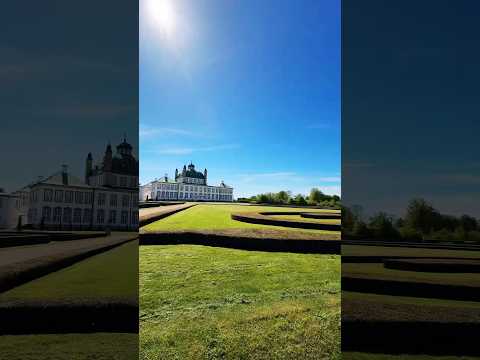
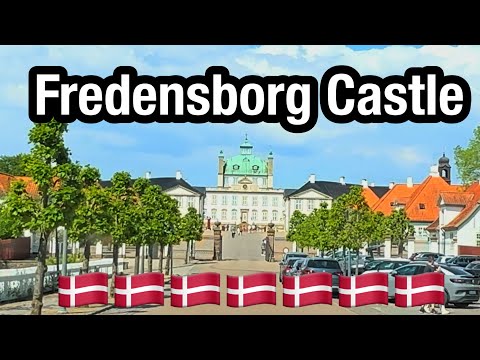
Fredensborg Palace is a historic royal residence situated on the eastern shore of Lake Esrum in Fredensborg, on the island of Zealand, Denmark. Constructed between 1720 and 1753, the complex was commissioned by King Frederick IV following the Great Northern War. The primary architects involved were Johan Cornelius Krieger, Lauritz de Thurah, and Nicolai Eigtved, who blended Baroque, Dutch Baroque, and Rococo styles to create a unique architectural ensemble. The original design features a central main palace with a distinctive dome and lanterns, positioned at the heart of a "hunting star," a radial layout of paths used for royal game hunts. An octagonal courtyard surrounded by the red-tiled servants' wings and adjacent stables further defines the estate's layout.
The palace holds profound historical significance as the site where the peace treaty between Denmark-Norway and Sweden was signed on July 3, 1720, ending eleven years of conflict. To commemorate this accord, the estate was named Fredens Borg, meaning "Peace's Castle." King Frederick IV took an active role in planning the building and its grounds, ensuring it served as a pleasure palace that reflected the triumph of peace. The interior originally boasted sumptuous decorations, including stucco work by C.E. Brenno and ceiling paintings by Hendrick Krock within the grand dome hall.
Today, Fredensborg Palace serves as the spring and autumn residence for the Danish royal family and remains their most frequently used official home. It continues to function as a vital venue for important state visits and significant family events. While the grounds have evolved since the eighteenth century, the core structures remain intact, preserving the legacy of its origins as a symbol of diplomacy and royal leisure. The palace stands not only as an architectural landmark but also as a living testament to Denmark's political history and enduring monarchical traditions.
Videos
Details
- Location Text
- and Palace Gardens