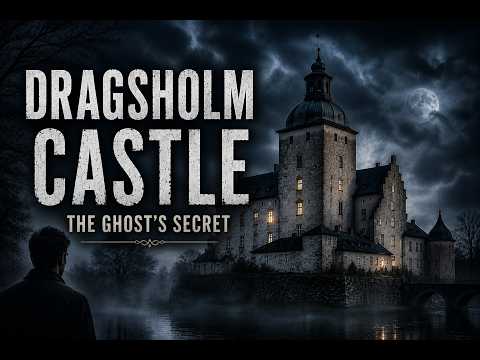
Dragsholm Castle

Dragsholm Castle is a historic landmark situated in Odsherred on the island of Zealand, Denmark. Originally constructed around 1215 by the Bishop of Roskilde, it stands as one of the oldest secular buildings in the country. While the site began as a palace and evolved into a fortified medieval castle, the current structure reflects a Baroque architectural style. This transformation occurred after the original fortifications were damaged during wars against Sweden in the seventeenth century, leading to its reconstruction under royal treasurer Frederik Christian Adeler. The castle's name derives from its location on an islet near a narrow strip of land known as a drag, which Vikings historically used to portage ships between waterways.
The castle holds significant historical importance due to its diverse roles over eight centuries. During the Middle Ages, it was notably the only fortress on Zealand to withstand the armies of Count Christoffer during the Count's Feud. Following the Reformation in 1536, the Crown confiscated the property and utilized it as a prison for high-profile noble and ecclesiastical detainees until 1664. Famous inmates included Joachim Rønnow, the last Catholic Bishop of Roskilde, and James Hepburn, the 4th Earl of Bothwell and third husband of Mary, Queen of Scots. Prison conditions varied based on the inmate's status and behavior, with some cells featuring windows and toilets.
Today, Dragsholm Castle has been repurposed for modern hospitality while preserving its rich heritage. It currently operates as a hotel and restaurant, inviting visitors to experience its centuries-old atmosphere. The building remains a testament to Denmark's changing political and social landscapes, having transitioned from a religious residence to a military stronghold, a royal prison, and finally a cultural destination. Its endurance through wars, reformation, and reconstruction highlights its resilience and enduring influence on the surrounding community in Odsherred.