Ciergnon Castle

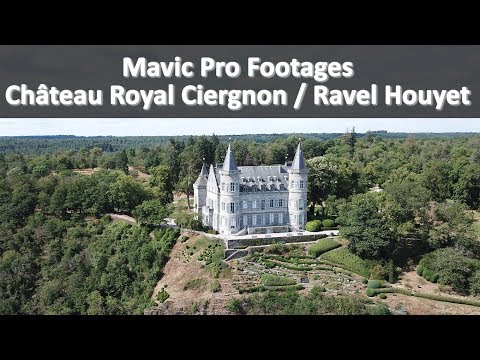
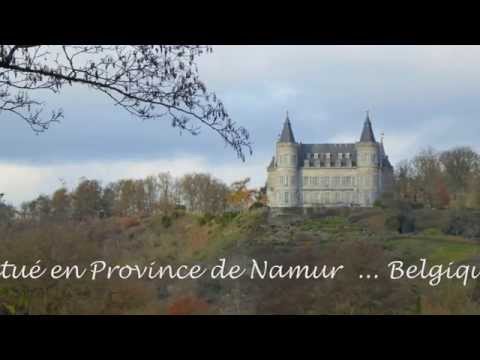
The Royal Castle of Ciergnon is a historic residence and summer retreat for the Belgian royal family, located near the town of Ciergnon in the municipality of Houyet, Namur Province, Wallonia. Originally acquired by King Leopold I in 1840 at the request of his spouse Queen Louise-Marie, the domain features extensive woods, a river, and vast hunting grounds. While an initial hunting lodge was erected first, the present château was constructed starting in 1842 under King Leopold II. The edifice was designed by the renowned court architect Alphonse Balat, reflecting the architectural tastes of the mid-19th century Belgian monarchy.
Throughout its history, the castle has served consistently as a private holiday destination for successive generations of Belgian royals. It holds significant historical value as the venue where King Baudouin introduced his fiancée, Dona Fabiola de Mora y Aragon, to the press in 1960. More recently, the site hosted the baptisms of the four children of King Philippe and Queen Mathilde in its private chapel. The property remains part of the Belgian Royal Trust, ensuring its preservation as a key asset of the monarchy alongside nearby estates like Fenffe Castle.
Unlike the Royal Château of Ardenne, which was converted into a hotel and later destroyed by fire, Ciergnon Castle has remained intact and in continuous use by the royal family. It stands as a testament to the enduring connection between the Belgian monarchy and the Ardennes region. Although it functions primarily as a private vacation home rather than a public museum, its role in hosting major family milestones underscores its importance within the modern royal narrative. The castle continues to be a secluded sanctuary where the royal family retreats from public duties to enjoy the natural beauty of the surrounding forested valley.
Videos


Details
- Location Text
- Ciergnon, Houyet