Burg Forchtenstein

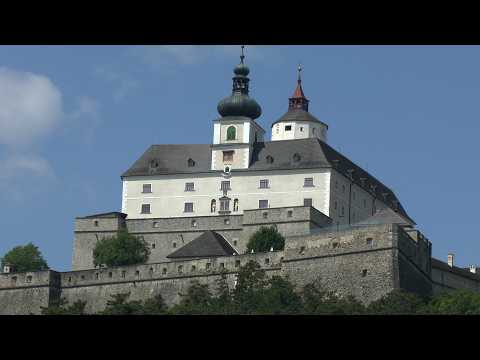
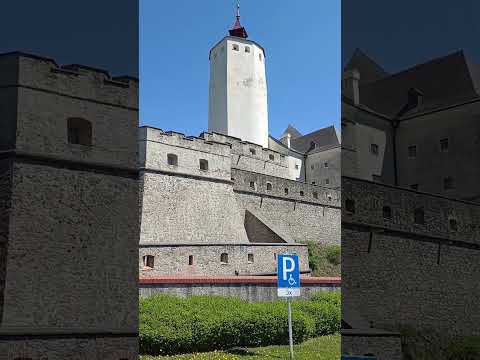
Forchtenstein Castle stands prominently in northern Burgenland, Austria, situated south of Mattersburg above the Wulka valley at an elevation of 511 meters. Originally constructed in the early 15th century by the Lords of Mattersdorf, also known as the Lords of Forchtenstein, the structure features a massive keep and the infamous Black Tower. This tower once contained a deep dungeon pit used for executions, famously associated with Rezallia, who was sentenced to death there by her own husband. After the original family line ended around 1450, the Habsburgs held the property for 170 years before Emperor Ferdinand II granted it to Nikolaus Esterházy in 1622.
Under the ownership of the House of Esterházy, the castle underwent significant transformation from a crumbling medieval fortification into a fortified Renaissance residence. Between 1630 and 1643, Italian architects Simon Retacco and Domenico Carlone led extensive refurbishments, utilizing stone from the imperial quarry at Kaisersteinbruch for portals and fountains. Later extensions by Prince Paul Esterházy further ornamented the site before its function shifted to a secure repository for weapons, archives, and a vast collection of curiosities. The legendary treasure vault, accessible only via a secret passage requiring two separate keys, remained intact and undiscovered even through the turmoil of World War II.
Today, major parts of the castle are conserved and it remains the property of the Esterházy family. The interior still houses original glass-paneled cabinets that are considered works of art in themselves, preserving the historical atmosphere of the collection rooms. Unlike many historic structures that fell into disrepair or were converted into museums entirely divorced from their origins, Forchtenstein Castle maintains a direct link to its centuries-old lineage. It is currently open to the public, allowing visitors to explore its rich architectural history, from the stark medieval dungeon to the ornate Renaissance additions crafted by Italian masters.