Burg Finstergrün

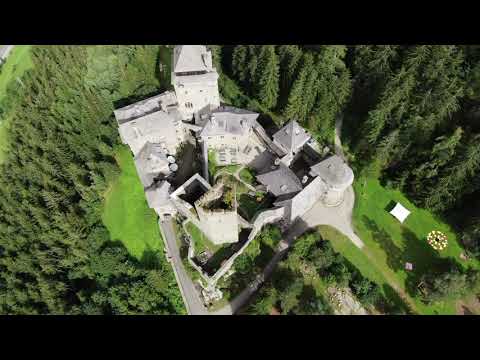
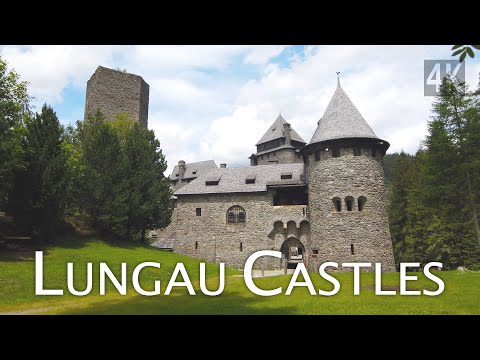
Burg Finstergrün is a historic castle located in the state of Salzburg, Austria, situated at an elevation of 1,087 meters above sea level. Originally constructed around 1296 or 1297 by Rudolf von Fohnsdorf, the structure initially served as a strategic border fortress between the Archbishopric of Salzburg and the Duchy of Styria. During the fourteenth and fifteenth centuries, its role evolved into an administrative seat for managing the significant silver mines in the nearby area of Ramingstein. The name Finstergrün, which translates to dark ditch, was first officially documented in 1629, marking its long-standing presence in the regional landscape.
The castle suffered a devastating forest fire in 1841 that destroyed much of the original complex. It remained in ruins until 1899, when Count Sándor Szapary purchased the property and rebuilt a comfortable residence from the remaining structures. Following his death, the estate passed to his son and later to his widow, Countess Margit Szapáry. In the 1930s and 1940s, the Countess operated the castle as an exclusive guesthouse for selected paying visitors, preserving its aristocratic atmosphere during a turbulent era in European history.
After the conclusion of the Second World War, the function of Burg Finstergrün shifted once again to serve the community. It became a central hub for the activities of the Evangelical Youth movement, a purpose it continues to fulfill today. While specific details regarding its current architectural style are not explicitly defined in historical records due to the extensive rebuilding efforts, the site remains a notable example of Austrian heritage. The castle stands as a testament to centuries of adaptation, transitioning from a military stronghold and mining office to a private home and finally to a vibrant center for youth organization.