Brest Fortress

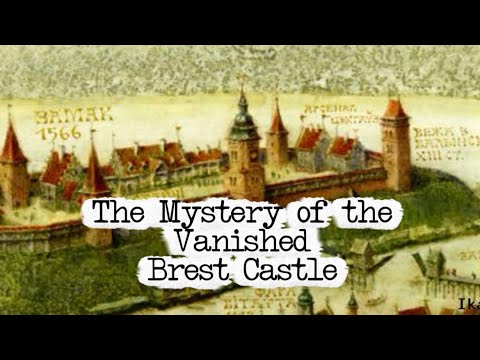
Brest Fortress, located in Brest, Belarus, is a massive 19th-century military complex originally constructed starting in 1833 under the design of Russian engineer Karl Opperman. Built to replace an older ducal castle, the structure features a distinctive star-shaped fortification style typical of the era. The core of the complex, known as the Citadel, sits on a central island formed by the Bug and Mukhavets Rivers. It was historically enclosed by a two-storied red brick barrack ring containing 500 rooms capable of housing 12,000 soldiers. This central hub was protected by three outer fortifications named Kobryn, Terespol, and Volyn, which utilized earthworks, moats, and brick casemates to create a formidable defensive perimeter.
The site holds profound historical significance due to its role in multiple major conflicts. During World War I, it served as the location for the signing of the Treaty of Brest-Litovsk in 1918. However, its most famous moment occurred at the onset of Operation Barbarossa in World War II. In June 1941, Soviet defenders held out against invading Axis forces for a week despite being surrounded, an act of bravery that led the Soviet Union to award the site the honorary title of Hero Fortress in 1965. This distinction parallels the Hero City title given to twelve other Soviet locations for their wartime resilience.
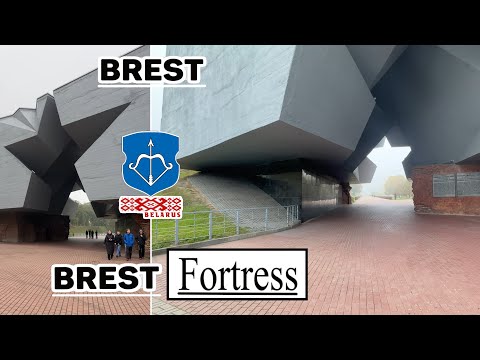
Today, much of the original barracks lie in ruins, though the iconic Kholm and Terespol Gates remain standing as powerful memorials. The fortress has been preserved primarily as a war memorial and museum complex dedicated to the defenders of 1941. While the outer fortifications have suffered from decay over time, the Citadel retains its original outline and serves as a solemn reminder of the fierce battles fought within its walls. The site continues to attract visitors interested in military architecture and the pivotal history of Eastern Europe during the twentieth century.
Videos

Details
- Location Text
- also known as Brest-Litovsk fortress