Amberd

Amberd is a historic fortress situated in the Aragatsotn Province of Armenia, perched 2,300 meters above sea level on the slopes of Mount Aragats. Located at the confluence of the Arkashen and Amberd rivers, its name translates poetically to "fortress in the clouds." While the site has been occupied since the Stone Age, the primary fortress structures were originally constructed in the 7th century by the noble Kamsarakan family. The complex represents a significant example of medieval Armenian military architecture, featuring thick stone walls, strategic bastions along the canyon ridge, and unique civilian amenities such as a bathhouse with an intact water supply system.
The fortress reached its architectural peak in the 11th century under Prince Vahram Pahlavouni, who purchased the estate and commissioned the nearby Vahramashen Church in 1026. Subsequent renovations by the Zakarian dynasty in the 12th and 13th centuries further reinforced its defensive capabilities before it was acquired by Prince Vache I Vachutian in 1215. Despite its strength, Amberd fell to the Mongol Empire in 1236 and was subsequently destroyed, leaving the site abandoned for centuries until archaeological excavations and reconstruction efforts began in the 20th century. Today, large portions of the fortification walls, the church, and the bathhouse remain standing.
Currently, Amberd is open to the public and serves as a major cultural landmark, though it faces severe threats. In 2024, the Europa Nostra federation listed Amberd among the seven most endangered heritage sites in Europe. The complex is at risk of collapse due to natural erosion, frequent earthquakes, advanced age, and a critical lack of funding for necessary structural reinforcement. Despite these challenges, it remains a testament to Armenia's rich history, offering visitors a glimpse into a strategic stronghold that once guarded the region's highlands.
Videos

Amberd Fortress: The Medieval "Fortress in the Clouds" of Armenia | Hidden Castle on Mount Aragats
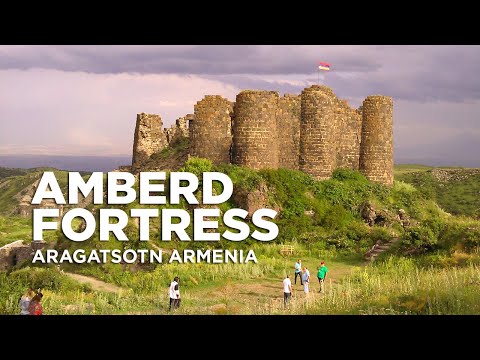
The Picturesque Scenery of Amberd Fortress and Monastery in Armenia | Armenia Country
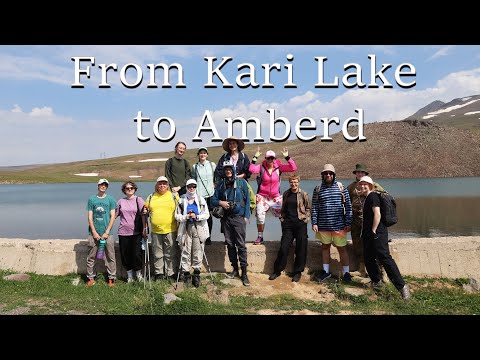
Botanical hiking from Kari lake to Amberd castle | Armenia

Driving in Armenia 🇦🇲 from Amberd Fortress to Yerevan | Scenic Autumn Mountain Road Trip 2025
Details
- Year Built
- 10th-14th century
- Location Text
- Byurakan