Aalborghus Castle

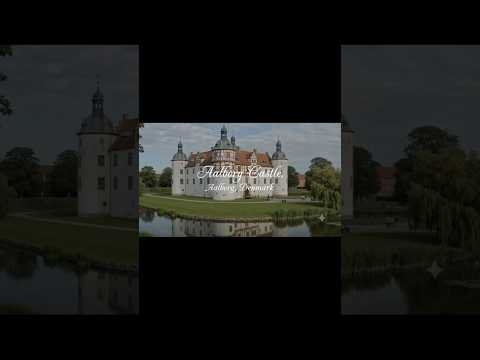
Aalborghus Castle is a historic half-timbered structure located in Aalborg, Denmark, situated near the Limfjord. Constructed between 1539 and approximately 1555 under the reign of King Christian III, the castle was initially designed as a fortification to replace an earlier building on the site. While the original structure dated back to at least 1340 and served as a residence for Queen Margrethe I and the death place of King Hans in 1513, the current edifice reflects the architectural vision of royal architect Morten Bussert. The complex evolved over centuries, with King Christian IV adding north and west wings in the seventeenth century to serve as granaries for storing grain, meat, and fish, thereby enhancing the site's logistical importance.
The castle holds significant historical value, notably enduring a siege in 1644 when Danish forces successfully recaptured it from Swedish occupiers. Although a south-facing wing was added in the early nineteenth century, only the east wing remains from the original construction today. In the mid-twentieth century, specifically between 1954 and 1964, the old granary wings underwent extensive renovation led by the Royal Inspector of Listed Buildings, Leopold Teschl. This restoration project transformed the former storage facilities into functional council offices, ensuring the preservation of the landmark while adapting it for modern administrative use.
Today, Aalborghus Castle stands as a prominent example of Danish timber-framed architecture and a key tourist attraction in Aalborg Municipality. Its survival through centuries of conflict and structural change highlights its resilience and enduring role in the region's history. The site continues to serve the community as government offices while remaining a visible testament to the strategic and royal heritage of northern Jutland. Visitors can observe the distinct historical layers of the building, which seamlessly blend sixteenth-century fortification elements with later additions and twentieth-century restorations.