Schloss Seggau

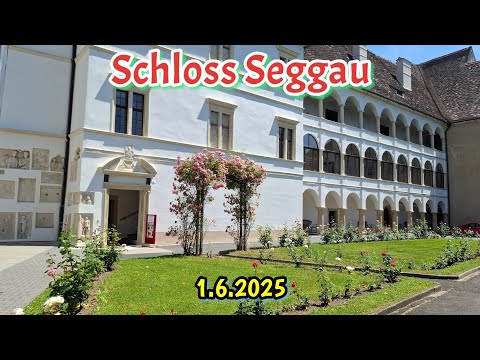
Schloss Seggau is a historic castle located in Seggauberg, southern Styria, Austria. Perched on a wooded hill at an elevation of 344 meters, the structure overlooks the town of Leibnitz. The site holds significant historical depth, with evidence of settlement dating back to the Roman era, showcased by an impressive surviving lapidarium. The upper castle was originally constructed in the twelfth century by the Archbishopric of Salzburg to serve as a base for missions and regional supervision. It was subsequently expanded in 1218 by the bishops of Seckau. Over the centuries, the complex evolved from three distinct fortifications into its current form, a transformation completed in the latter half of the seventeenth century under Bishop Johann Ernst, Count of Thun.
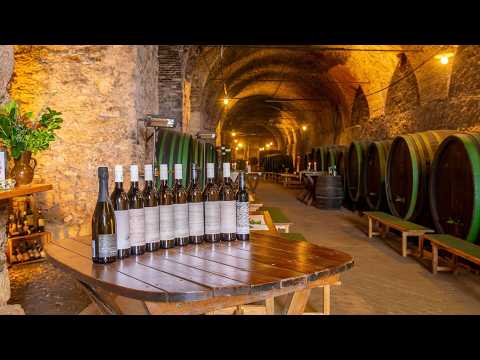
For several hundred years, Schloss Seggau functioned as the primary residence of the local bishops until 1786, after which it continued to serve as their summer residence well into the twentieth century. Today, the castle has been repurposed for modern use while preserving its heritage. It currently operates as a hotel and conference center, hosting various seminars and events. Visitors can also enjoy the Schloss Café and explore the estate's wine cellar, which is over three hundred years old and offers wine tastings and sales. This adaptive reuse ensures the preservation of the architectural landmark while maintaining its role as a central hub in the region.