Klosterruine Arnoldstein

Klosterruine Arnoldstein, formerly known as Arnoldstein Abbey, stands as a significant historical landmark in the market town of Arnoldstein in Carinthia, Austria. Originally established as a fortified castle by a ministerialis named Arnold between 1085 and 1090, the site was transformed into a Benedictine monastery in 1106 by Bishop Otto of Bamberg to ensure the property remained under church control. The abbey church, dedicated to Saint George, was first mentioned in records in 1316 and features architectural elements from the Gothic era and the 17th century. The monastery buildings were distinctively arranged in an oval formation around the central church, creating a unique complex that served as a spiritual and economic hub for the region for centuries.
The site possesses a rich and turbulent history marked by natural disasters and political challenges. In 1348, a massive landslide triggered by the Friuli earthquake destroyed parts of the village and the abbey itself, while subsequent plagues and poor harvests led to severe financial decline. Despite receiving the parish of Hermagor in 1391 to alleviate debts, the abbey struggled, eventually becoming involved in Carinthia's first recorded witch trial in 1465. In a notable industrial development, Abbot Christoph permitted Jakob Fugger to construct a metal-separating works and fortress on abbey lands in 1495, laying the foundation for the Fuggerau complex. By the early 16th century, however, complaints indicated the structures had fallen into disrepair and poverty.
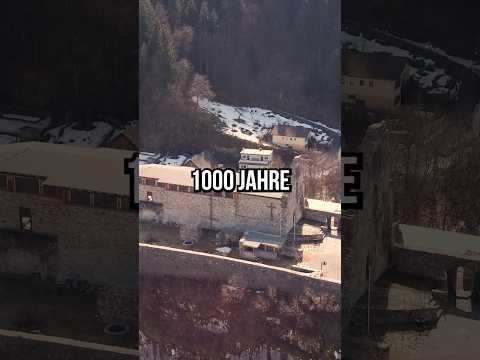
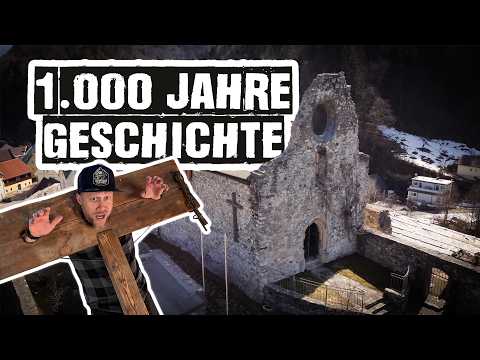
Today, the location exists as atmospheric ruins rather than a functioning religious institution. While the original monastery buildings have largely vanished, substantial remnants of the church survive, including the choir, tower, west door, buttresses, and an elevated crypt. These surviving structures offer visitors a tangible connection to the site's medieval origins and its evolution from a defensive castle to a prosperous abbey and finally to its current state. The ruins serve as a quiet testament to the resilience of the institution against earthquakes, economic hardship, and the passage of time, preserving the memory of one of Carinthia's most important ecclesiastical centers.
Videos
Unterwegs im Schwarzwald Die Allerheiligen Wasserfälle
Schau ih vom Berglan gesungen von Erwin Podesser mit den Vokalsolisten Kärnten
1 Jahres Special!!! Wir erkunden die Klosterruine Arnoldstein. #urbex #geschichte #reportage
1000 Years of History - We Explore These Ruins | 1-Year Special | Part 1/3