Burgruine Rabenstein

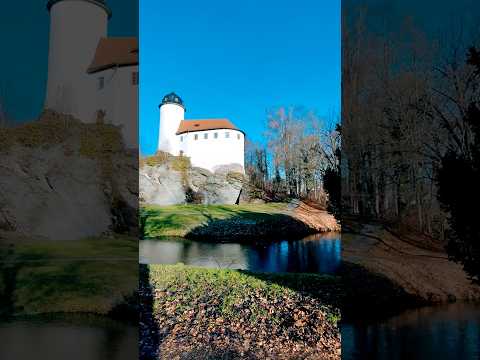
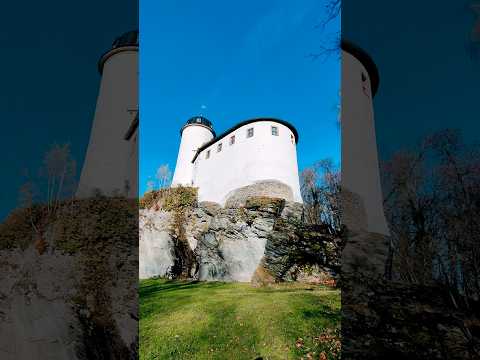
Rabenstein Castle, known locally as Burgruine Rabenstein, is a historic rock castle situated in Carinthia, Austria. Perched at an elevation of 691 meters above sea level, the structure was originally constructed around the year 1100 by Engelbert I, Count of Sponheim and Margrave of Istria. Its primary architectural function was to serve as a fortified rock castle, evolving from an initial watchtower into a full defensive stronghold. The construction was strategically undertaken to protect the nearby Saint Paul's Abbey in Lavanttal and the developing town surrounding it, highlighting its critical role in regional security during the early medieval period.
The historical significance of the site is deeply intertwined with the noble families and religious institutions that controlled it. Initially occupied by the Rabenstein family, from whom the castle derived its enduring name, the property remained in their possession until approximately 1200. Following this period, ownership transferred to the Archbishop of Salzburg, who maintained control until around 1300. This succession of powerful occupants underscores the castle's importance as a military and administrative center in the region for several centuries, bridging the gap between secular nobility and ecclesiastical authority in medieval Carinthia.
Today, Rabenstein Castle exists as a ruin under private ownership. While it is no longer an active military garrison or residential seat, the remnants of the structure stand as a testament to over eight hundred years of history, having been in use from its founding until the 19th century. Although specific details regarding public access are not extensively documented in available records, the site remains a notable landmark within the Austrian landscape. Its classification as a rock castle offers insight into medieval engineering practices adapted to the rugged terrain of the Alps, preserving a tangible link to the area's feudal past.