Burg Plankenstein

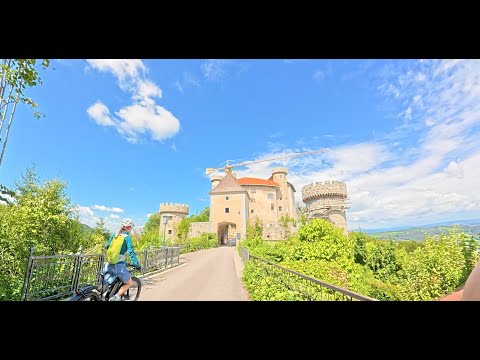
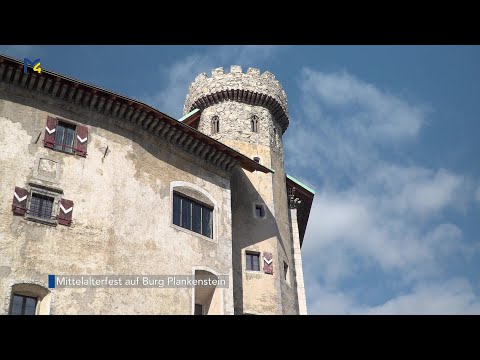
Burg Plankenstein is a historic castle situated in the region of Lower Austria, within the country of Austria. Perched at an elevation of 657 meters above sea level, the structure commands a prominent position in the local landscape. While specific details regarding its exact year of construction, original builder, and distinct architectural style are not explicitly recorded in the available summary data, its classification as a military structure indicates it was originally designed for defensive purposes. The castle stands as a notable landmark within the Mostviertel area, contributing to the rich tapestry of fortifications that define this part of Central Europe.
The historical significance of Burg Plankenstein lies primarily in its enduring presence as a regional stronghold, though detailed accounts of specific battles, commanders, or garrison life remain undocumented in the current records. The existing information does not specify its current condition, ownership status, or whether the site is open to the public for tours. Consequently, much of its later history, including potential renovations, changes in occupancy, or its transition from a military asset to a historical monument, remains unclear without access to more specialized local archives. Despite these gaps, the castle remains an identified point of interest for those studying the distribution of medieval and early modern fortifications in the Austrian countryside.
Today, Burg Plankenstein serves as a geographical and historical marker within Lower Austria, recognized officially in directories of Austrian castles. Its location coordinates place it firmly within the cultural heritage of the region, inviting further exploration by historians and enthusiasts interested in the defensive networks of the area. Although the sparse documentation prevents a comprehensive narrative of its evolution over the centuries, the castle's continued recognition ensures it remains part of the collective memory of Lower Austria's architectural legacy. It stands as a silent testament to the region's past, awaiting further detailed study to fully uncover its unique story and current state of preservation.