Burg Karlstein

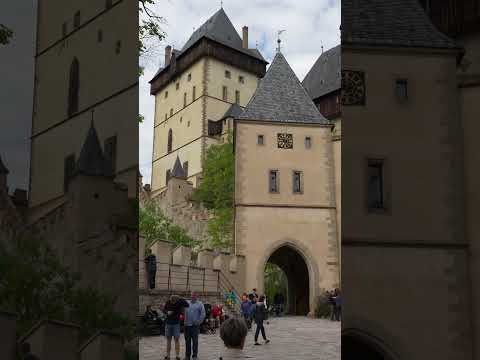
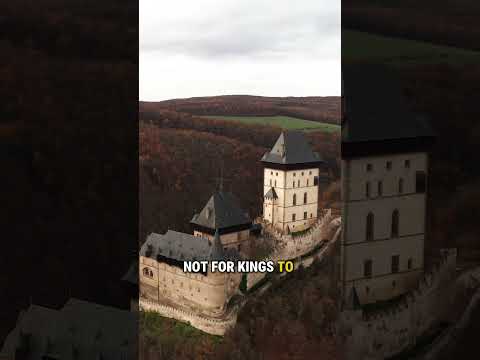
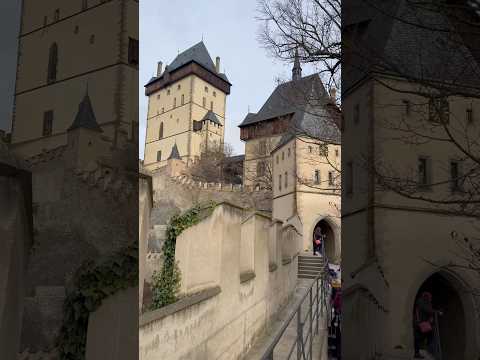
Burg Karlstein is a historic castle located in Lower Austria, first documented in 1112 under the name Chadelstain. Originally constructed as a feudal fortress held by various noble families, the structure has undergone continuous rebuilding and expansion over the centuries due to frequent changes in ownership. Consequently, virtually no elements of the original medieval architecture remain today. The most significant surviving historical feature is the castle chapel, which dates back to the sixteenth century. During the late 1500s, under the stewardship of the Puchheim family, the site briefly served as an important center for the Reformation movement in the region.
The castle possesses a diverse and sometimes turbulent history regarding its usage beyond a noble residence. It famously functioned as a prison, where the peasant leader Georg Schrembser was reportedly incarcerated before his execution in 1597. By 1880, the building had been converted into a clock factory. During World War I, despite being deemed uninhabitable in 1914, it was repurposed as an internment camp for citizens of nations hostile to Austria-Hungary, including members of the Montenegrin General Staff. Following the collapse of the Hungarian Soviet Republic in 1919, the castle housed approximately forty political refugees, including prominent figures Béla Kun and Jenő Landler, who faced potential extradition while seeking asylum.
In more recent decades, the function of Burg Karlstein shifted toward hospitality and public service. It operated as a youth hostel and later served as a guesthouse during the 1960s. While the specific current condition and private ownership status are not detailed in available records, the site remains a notable landmark within the Austrian landscape. Its layered past reflects the broader political and social changes of Central Europe, transitioning from a military stronghold and religious hub to an industrial site, detention center, and finally a place for travelers.